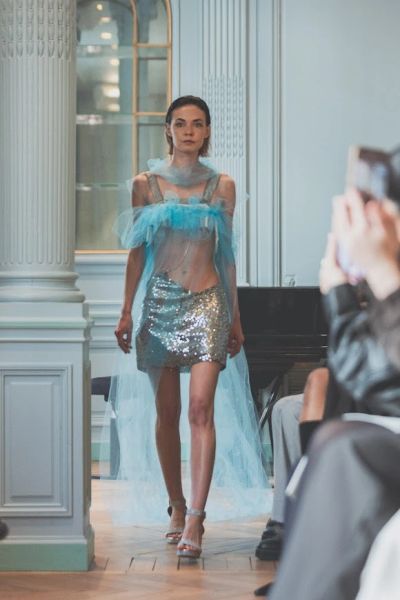
Fashion News

The Designers Defining Copenhagen Fashion Week Spring/Summer 2027
Copenhagen Fashion Week has long established itself as fashion's most progressive stage—a place where creativity, craftsmanship and sustainability exist in perfect balance. As the Spring/Summer 2027 season celebrates the event's twentieth anniversary, the Danish capital once again proves why it has become an essential stop on the global fashion calendar.
This season was defined by thoughtful storytelling rather than spectacle. Designers embraced artisanal techniques, fluid tailoring, romantic silhouettes and conscious innovation, presenting collections that felt both commercially relevant and artistically compelling.
By Sarah Adams
One of the season's most anticipated moments came with the return of By Malene Birger to the official schedule. Under the creative direction of Emilie Martinsen-Kønigsfeldt, the collection showcased effortless Scandinavian luxury through relaxed tailoring, fluid silhouettes and understated elegance. The presentation celebrated quiet confidence, reaffirming the house's position as one of Denmark's most influential fashion brands.
Baum und Pferdgarten
Known for its playful approach to dressing, Baum und Pferdgarten delivered one of the week's most memorable collections. Inspired by the dancers of Copenhagen's Royal Danish Theatre, the runway blended ballet influences with contemporary sportswear. Butter-yellow tones, satin jackets, tutu-inspired details and layered styling demonstrated how femininity and practicality can coexist in modern wardrobes.
Anne Sofie Madsen
Following the continued revival of her label, Anne Sofie Madsen presented The New Desire, a collection balancing sculptural construction with ethereal movement. Sheer draping, soft pastel palettes and architectural silhouettes reflected a more optimistic vision while preserving the experimental craftsmanship that has become synonymous with the designer's work.
Skall Studio
Minimalism found new life through Skall Studio, whose presentation captured the quiet romance of the Danish countryside. Crisp linen tailoring, flowing cotton dresses, woven accessories and natural textures celebrated slow fashion at its finest. The collection embodied effortless elegance without sacrificing comfort or authenticity.
Gestuz
Bringing a contemporary edge to the schedule, Gestuz explored confident tailoring, strong outerwear and refined daywear with an unmistakably Scandinavian attitude. The collection balanced modern femininity with relaxed sophistication, offering versatile pieces designed for today's fashion-conscious woman.
Paolina Russo
Among the season's breakout highlights was Paolina Russo, whose vibrant collection challenged traditional Scandinavian minimalism. Bright knitwear, handcrafted embellishments, distressed denim and youthful energy created one of the week's most exciting presentations. The designer once again demonstrated how craftsmanship can coexist with bold experimentation.
Nicklas Skovgaard
Drawing inspiration from 1960s girl groups, Nicklas Skovgaard delivered a joyful celebration of individuality. Sculptural silhouettes, pastel jacquards and playful proportions brought nostalgic glamour into a contemporary context, proving that theatrical fashion can remain highly wearable.
Taus
Part of Copenhagen Fashion Week's celebrated New Talent programme, Taus continued to establish itself as one of Scandinavia's most promising emerging labels. Combining upcycled materials with couture-inspired craftsmanship, the collection explored emotion, storytelling and sustainable innovation in equal measure.
Beyond Sustainability
While Copenhagen Fashion Week has become internationally recognised for its ambitious sustainability standards, this season demonstrated that environmental responsibility no longer defines the event alone. Designers are increasingly using sustainability as a foundation rather than the headline, allowing creativity, innovation and exceptional craftsmanship to take centre stage.
The result is a fashion week that feels refreshingly authentic—one where originality is celebrated, craftsmanship is respected and commercial success is built through thoughtful design rather than fleeting trends.
As global fashion continues to evolve, Copenhagen remains one of the industry's most influential incubators of emerging talent and established excellence alike. Spring/Summer 2027 confirmed that the city's designers are not merely following the future of fashion—they are actively shaping it.

The Colour Palette Defining the Spring/Summer 2027 Fashion Season
Every fashion season tells a story through colour. For Spring/Summer 2027, designers moved away from loud statements in favour of refined palettes that evoke emotion, craftsmanship and timeless elegance. Across New York, London, Milan, Paris and Copenhagen, collections embraced a sophisticated balance between soft neutrals, romantic pastels and rich earthy hues, proving that colour has become one of fashion's most powerful forms of storytelling.
Butter Yellow
Without question, butter yellow emerged as the defining colour of the season. Softer than traditional yellow and infinitely more wearable, the shade brought warmth and optimism to tailoring, eveningwear and everyday essentials alike.
At Chloé, flowing dresses and airy separates embraced the delicate hue with effortless femininity, while Baum und Pferdgarten introduced butter yellow through ballet-inspired silhouettes during Copenhagen Fashion Week. Jacquemus also incorporated the colour into clean, architectural pieces that captured Mediterranean elegance.
Powder Pink
Romantic yet modern, powder pink continued its resurgence as one of the season's most luxurious shades. Designers abandoned sugary interpretations in favour of muted blush tones that felt sophisticated and understated.
Miu Miu showcased soft pink tailoring and knitwear with its signature youthful attitude, while Simone Rocha paired delicate blush fabrics with sculptural silhouettes and intricate embellishment. The result was a fresh interpretation of contemporary femininity.
Mocha Brown
Warm chocolate, espresso and mocha tones brought depth to spring dressing, replacing traditional black as the season's preferred neutral. Rich brown leather, suede and tailoring appeared throughout the international collections, adding timeless sophistication to both menswear and womenswear.
Saint Laurent embraced sharp chocolate tailoring with confident precision, while The Row demonstrated the versatility of mocha through minimalist layering and impeccable craftsmanship. Max Mara also reinforced the colour's enduring appeal with luxurious monochromatic styling.
Ice Blue
Cool, serene and effortlessly elegant, ice blue introduced a sense of calm across the runways. The colour appeared in fluid silks, lightweight tailoring and eveningwear, offering a refreshing contrast to the warmer neutrals dominating the season.
Prada explored the shade through structured separates and clean silhouettes, while Jil Sander incorporated pale blue into minimalist collections that celebrated precision and restraint.
Olive & Sage Green
Natural greens reflected fashion's continuing appreciation for craftsmanship and the natural world. Sage, olive and botanical tones became essential across ready-to-wear collections, reinforcing the industry's growing focus on longevity rather than seasonal excess.
Bottega Veneta presented luxurious leather pieces in muted olive hues, while Skall Studio embraced soft botanical shades throughout its relaxed Scandinavian-inspired collection. Hermès also incorporated elegant earthy greens into refined tailoring and accessories.
Soft Ivory
While white remains a perennial spring favourite, this season designers preferred softer ivory and cream tones. The subtle shift created collections that felt warmer, richer and undeniably luxurious.
By Malene Birger built much of its Copenhagen collection around cream tailoring and fluid ivory silhouettes, while Khaite and Loro Piana reinforced quiet luxury through monochromatic dressing in soft neutral palettes.
Silver Metallic
Metallic finishes returned with renewed sophistication, moving away from overt glamour towards polished refinement. Liquid silver fabrics, mirrored embellishments and metallic accessories elevated both daywear and evening looks without overwhelming the collections.
Coperni embraced futuristic silver textures, while Rabanne continued its heritage of metallic craftsmanship with contemporary interpretations designed for modern wardrobes.
The Mood of the Season
Spring/Summer 2027 is not defined by a single statement colour, but by harmony. Designers favoured palettes that feel timeless, versatile and emotionally resonant, allowing craftsmanship and silhouette to take centre stage.
The season reflects fashion's growing appreciation for longevity over novelty. Butter yellow brings optimism, powder pink offers romance, mocha introduces depth, while soft neutrals provide the foundation for wardrobes designed to endure beyond a single season.
Rather than chasing fleeting trends, the industry's leading houses have embraced colour as an extension of modern luxury—subtle, confident and effortlessly elegant.

Men's Fashion Week Spring/Summer 2027: The New Era of Modern Masculinity
Fashion has entered a new chapter, and nowhere is that more evident than on the men's runways. The Spring/Summer 2027 collections presented across Milan, Paris and London revealed a generation of designers redefining masculinity through craftsmanship, confidence and individuality.
Gone are the days when menswear relied solely on classic tailoring. This season embraced fluid silhouettes, softened proportions and a richer emotional language, proving that elegance and strength are no longer opposing ideas—they exist in harmony.
Tailoring, Reimagined
The suit remained the cornerstone of men's fashion, but designers approached it with a fresh perspective. Relaxed shoulders, elongated silhouettes and fluid fabrics replaced rigid construction, creating tailoring that moves naturally with the body.
Giorgio Armani championed effortless sophistication through lightweight suiting, while Saint Laurent delivered razor-sharp silhouettes with dramatic proportions and monochromatic styling. Prada explored minimalist tailoring with architectural precision, offering a modern wardrobe built on simplicity rather than excess.
The Rise of Quiet Luxury
Luxury continues to move away from obvious branding and toward exceptional craftsmanship. Premium fabrics, impeccable construction and timeless silhouettes dominated many of the season's strongest collections.
At Loro Piana, luxurious cashmere and linen demonstrated that refinement often lies in subtlety. The Row continued its understated approach with impeccably cut separates, while Brunello Cucinelli showcased effortless Italian elegance through relaxed tailoring and elevated casualwear.
A Softer Colour Palette
Menswear embraced a calmer, more sophisticated palette this season. Shades of ivory, stone, mocha, sage green, powder blue and muted taupe replaced bold contrasts, reflecting the industry's growing appreciation for timeless dressing.
These colours appeared across everything from tailoring and knitwear to outerwear and accessories, reinforcing the idea that modern luxury is defined by restraint rather than extravagance.
Texture Takes Centre Stage
Rather than relying on loud prints, designers explored texture to create visual interest. Lightweight leather, open-weave knits, sheer fabrics, technical nylons and washed linens added depth while maintaining a clean aesthetic.
Hermès demonstrated exceptional craftsmanship through luxurious leather pieces, while Zegna celebrated natural fibres with collections inspired by movement, comfort and contemporary elegance.
Accessories with Purpose
Accessories continued their evolution beyond functionality. Structured leather totes, oversized travel bags, sculptural sunglasses, refined loafers and minimalist jewellery completed many of the season's standout looks.
Rather than acting as statement pieces, accessories complemented the clothing, reinforcing a philosophy of considered dressing where every element serves a purpose.
The Return of Confidence
Perhaps the defining characteristic of Spring/Summer 2027 menswear was confidence. Not the loud confidence of logos and spectacle, but the quiet confidence that comes from exceptional tailoring, premium materials and thoughtful design.
Fashion's leading houses demonstrated that modern masculinity is no longer confined by tradition. Today's man embraces versatility, craftsmanship and personal expression without compromising sophistication.
As the global fashion capitals continue to shape the industry's future, one message is unmistakably clear: menswear has never been more refined, more expressive or more relevant than it is today.

The Future of Fashion Belongs to Emerging Designers
The future of fashion has never looked more exciting. Across the world's leading fashion capitals, a new generation of designers is reshaping the industry with fresh perspectives, exceptional craftsmanship and a fearless commitment to individuality. While heritage houses continue to define luxury, emerging talent is proving that the next chapter of fashion will be written by those willing to challenge convention.
From independent ateliers in London to experimental studios in Tokyo, Paris, Milan and New York, young designers are creating collections that speak to a generation seeking authenticity over excess. Their work is less about following trends and more about building lasting identities through thoughtful design and artistic expression.
Creativity Without Boundaries
Emerging designers possess something invaluable—the freedom to create without limitation. Unrestricted by decades of corporate heritage, they are able to experiment with silhouette, textile innovation, sustainability and cultural storytelling while developing a distinct point of view.
This creative freedom is what often allows independent labels to introduce ideas that eventually influence the wider luxury industry.
Three Designers Defining the New Generation
Among the independent labels attracting attention are designers whose work reflects the diversity and creativity shaping fashion today.
Maya Coleman has become recognised for her contemporary approach to sustainable luxury. Through innovative upcycling techniques, sculptural tailoring and zero-waste design principles, her collections demonstrate that environmental responsibility can coexist with refined craftsmanship. Rather than treating sustainability as a limitation, she transforms it into a defining element of her creative identity.
Emerging Excellence: Maya Coleman, IORIYA & Talia Treasures
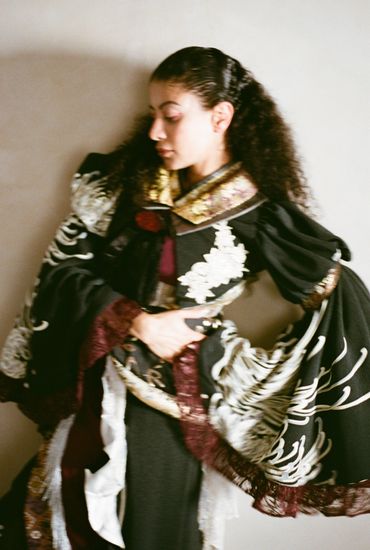
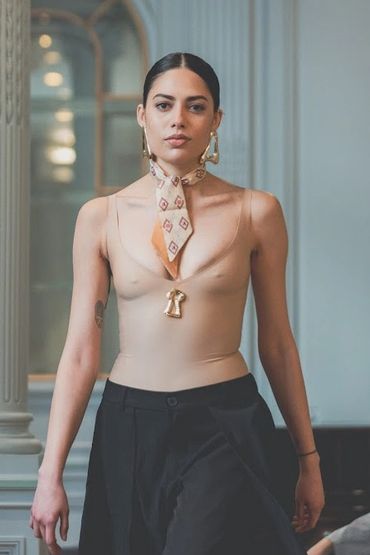
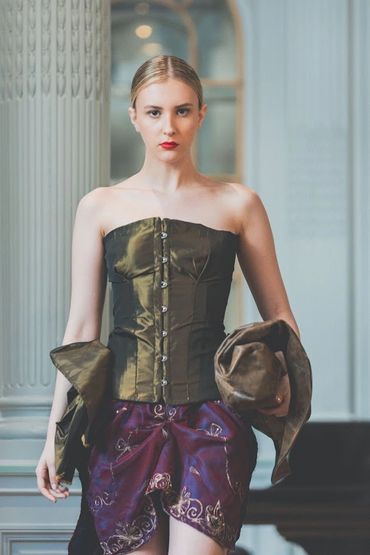
The Visionaries Behind Fashion's Next Chapter
From Japan, IORIYA brings together traditional craftsmanship and contemporary couture. Inspired by centuries of Japanese artistry, the label reinterprets heritage textiles, architectural construction and theatrical movement into garments that feel both timeless and modern. Every collection reflects a deep respect for culture while embracing an international fashion audience.
Meanwhile, Talia Treasures offers a distinctly elegant perspective through collections defined by intricate detailing, luxurious finishes and timeless femininity. Her work celebrates craftsmanship over mass production, creating garments that balance sophistication with artistic expression. Each piece is designed not simply to be worn, but to tell a story.
Although each designer approaches fashion differently, they share a common philosophy: originality, craftsmanship and authenticity remain the true foundations of modern luxury.
Fashion Weeks as a Launchpad
International fashion weeks continue to play a crucial role in discovering tomorrow's leading designers. Events in New York, London, Milan, Paris and Copenhagen provide invaluable exposure, connecting independent creatives with buyers, editors, stylists, investors and global media.
For emerging designers, a successful runway presentation can become a defining career moment. Beyond showcasing a collection, it creates opportunities for international press, strategic partnerships and meaningful industry connections that extend far beyond the runway itself.
Redefining Modern Luxury
Today's consumers are increasingly drawn to brands with purpose. Rather than purchasing solely because of a name, they seek craftsmanship, authenticity and meaningful design.
Independent designers are answering that demand through smaller collections, meticulous attention to detail and deeply personal creative narratives. Their work represents a shift away from fast-moving trends and toward fashion with lasting value.
The Designers of Tomorrow
Every iconic fashion house began with a single collection and a bold creative vision. Supporting emerging designers means investing in the future of the industry itself.
Designers such as Maya Coleman, IORIYA and Talia Treasures represent the next generation of creative talent—designers who are redefining luxury through innovation, artistry and uncompromising craftsmanship. Their collections remind us that fashion's future will not be built solely by heritage brands, but by visionary creatives willing to challenge convention and inspire a new era of design.
The next great fashion house may not yet be a household name. But somewhere, in a studio preparing for its next runway presentation, the future of fashion is already taking shape.